



Sixteen activities, and when each one is useful
Published on September 6, 2026
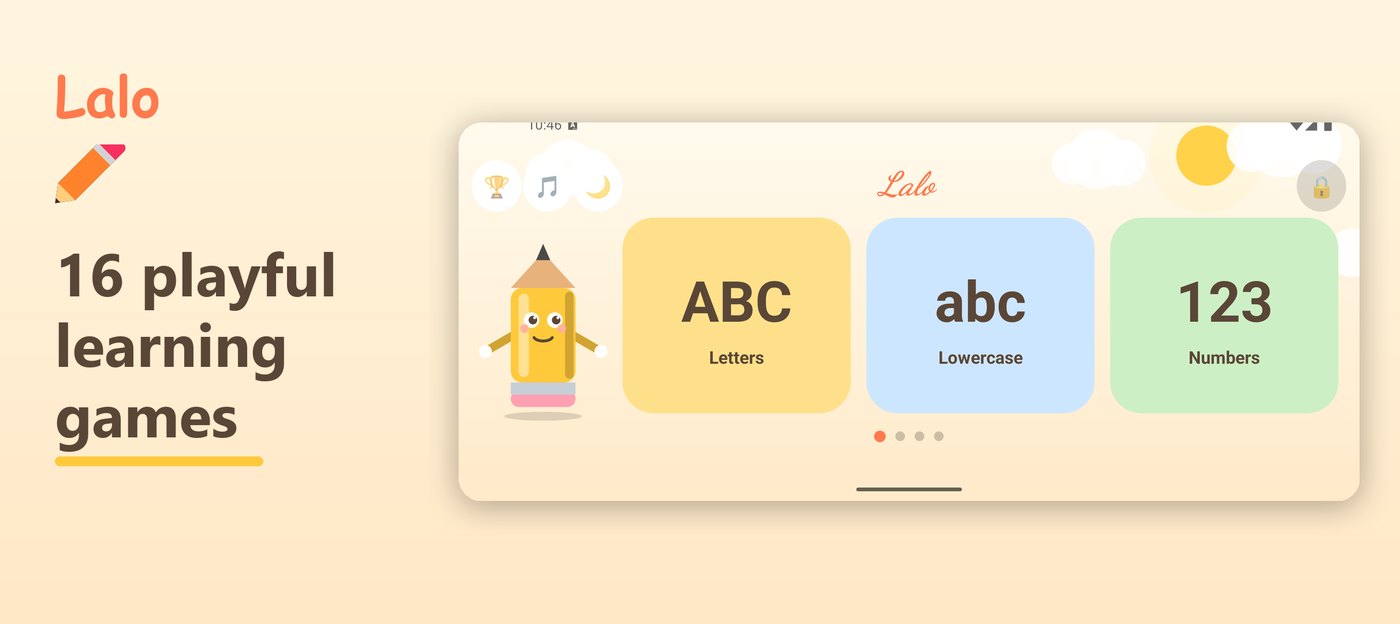
Sixteen activities on one screen, to a three-year-old, are mostly sixteen ways to be distracted. That is not a flaw in the menu: it is that they are not all for now. They come in an order, and the order is not set by birthdays but by what the hand and the head can already do. Here is how we thought about it.
Three: the hand before the letter
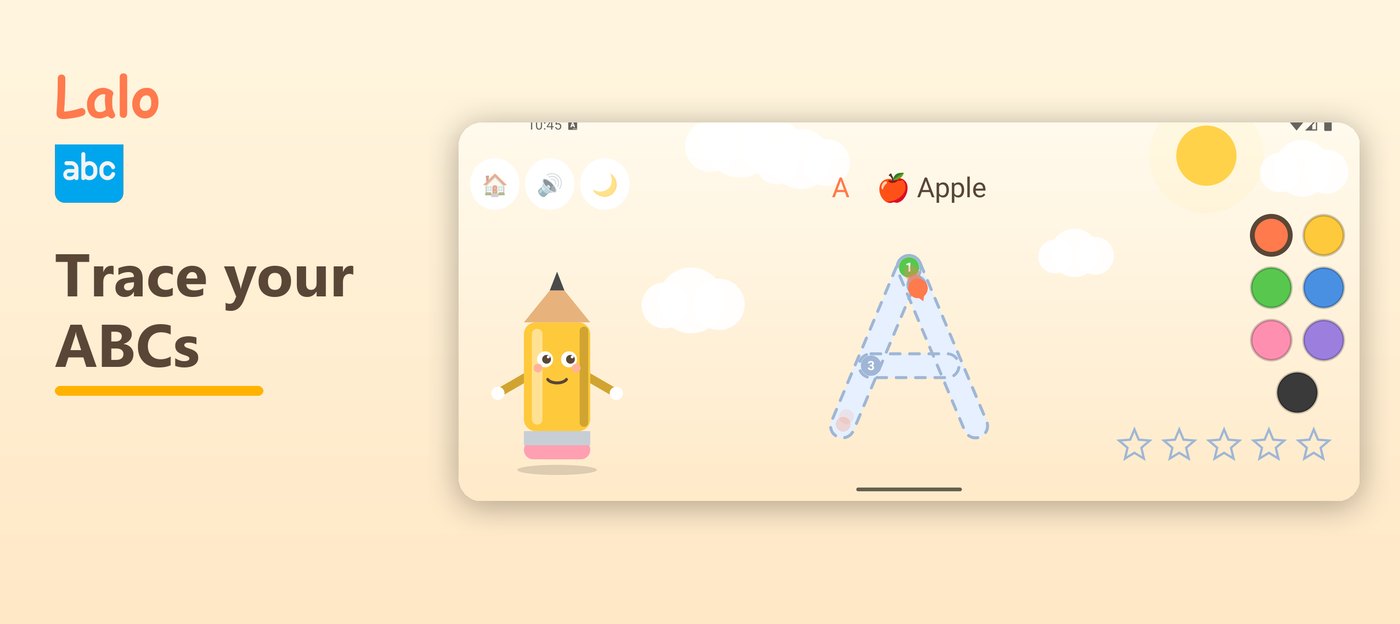
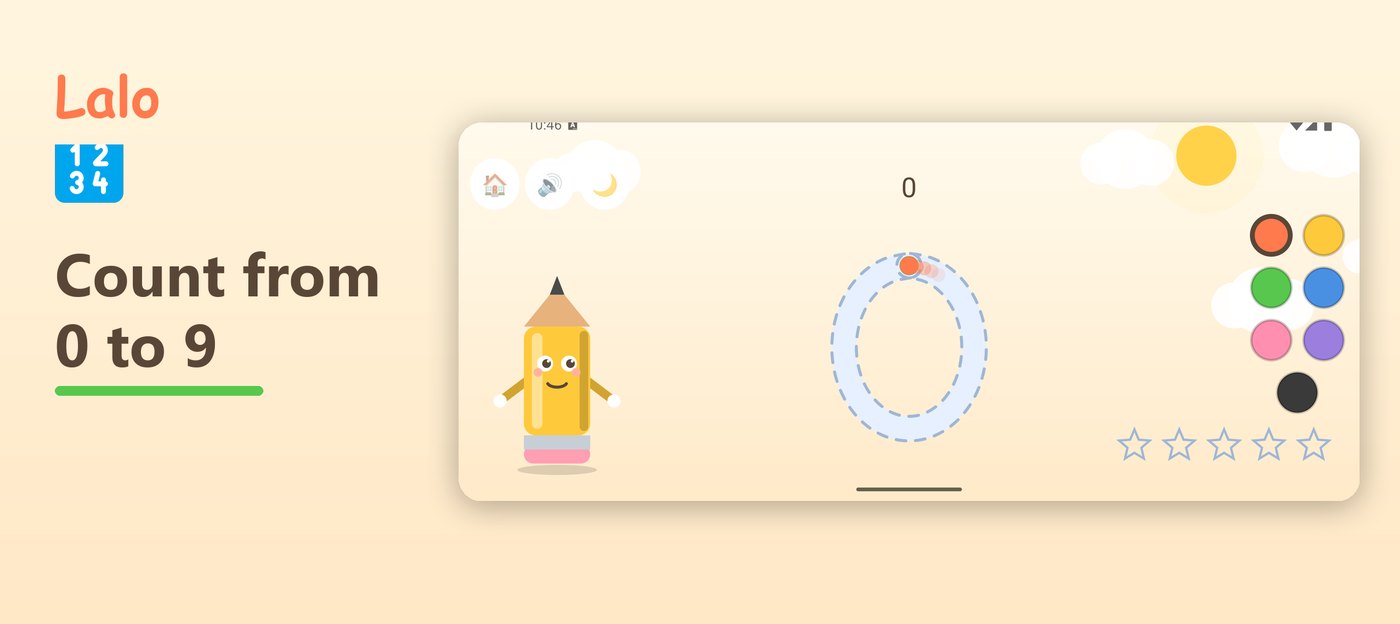
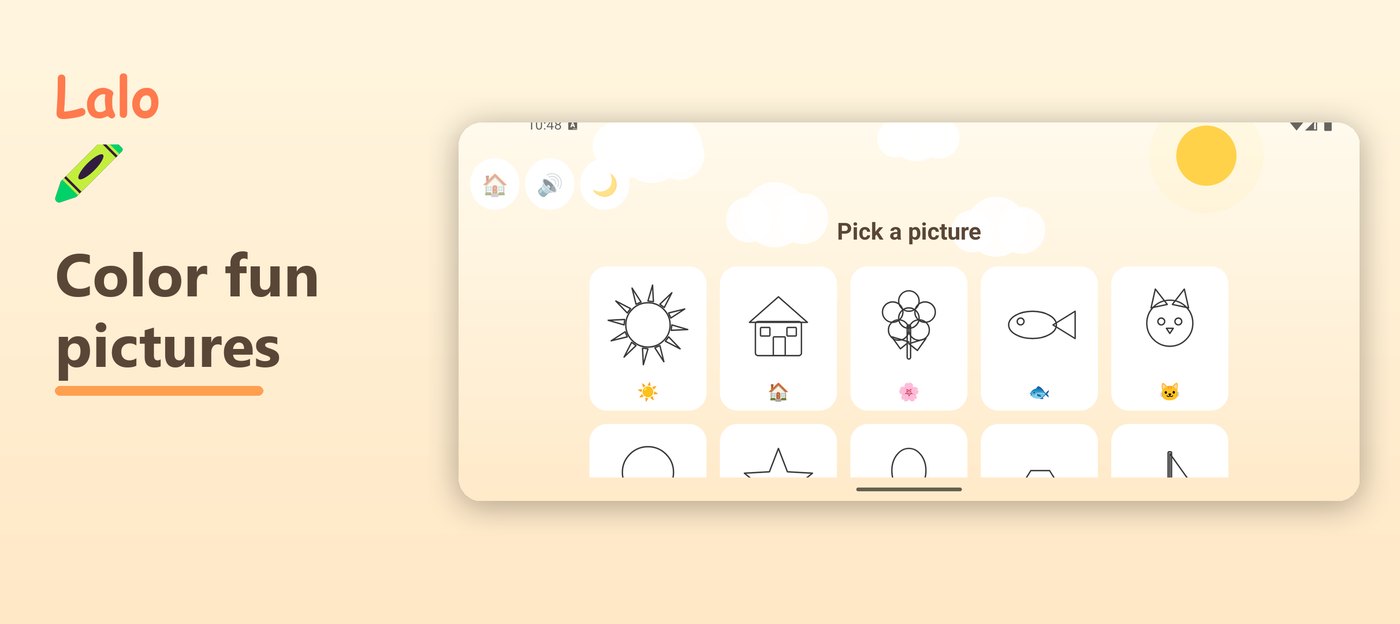
At three a child draws from the shoulder, not the fingers, and precision arrives years later. The right activities are the ones that do not ask for precision: Colour, where going outside the lines is not a mistake, Drawings, where there is no correct result, and Letters, where a capital is traced following the direction of the stroke. Capitals come first for a technical reason, not an aesthetic one: they are straight lines and simple curves, almost none is the mirror of another, and they are what the child already sees written on their name at nursery.
Four: reciting is not counting
A child saying “one, two, three, four” is not counting: they are repeating a rhyme. Counting is something else — touching four objects, saying one number for each, and knowing that the last number said is how many there are. That is the step Numbers and Count actually ask for, and children cross it at very different times. Around then come Shapes and Patterns, which train something that looks unrelated to maths: noticing that something repeats.
Five: the hidden rules
Odd One Out, Sort, Memory, Shadows and Puzzle look like pastimes and are the part that prepares for school better than letters do. They all ask for the same skill in different costumes: find the rule that holds a group together. Why the apple goes with the pear and not with the shoe, which shape is that rabbit, what is missing from this row. A child who starts school able to categorise struggles less than one who starts knowing the alphabet.
Six: lowercase, words, sums
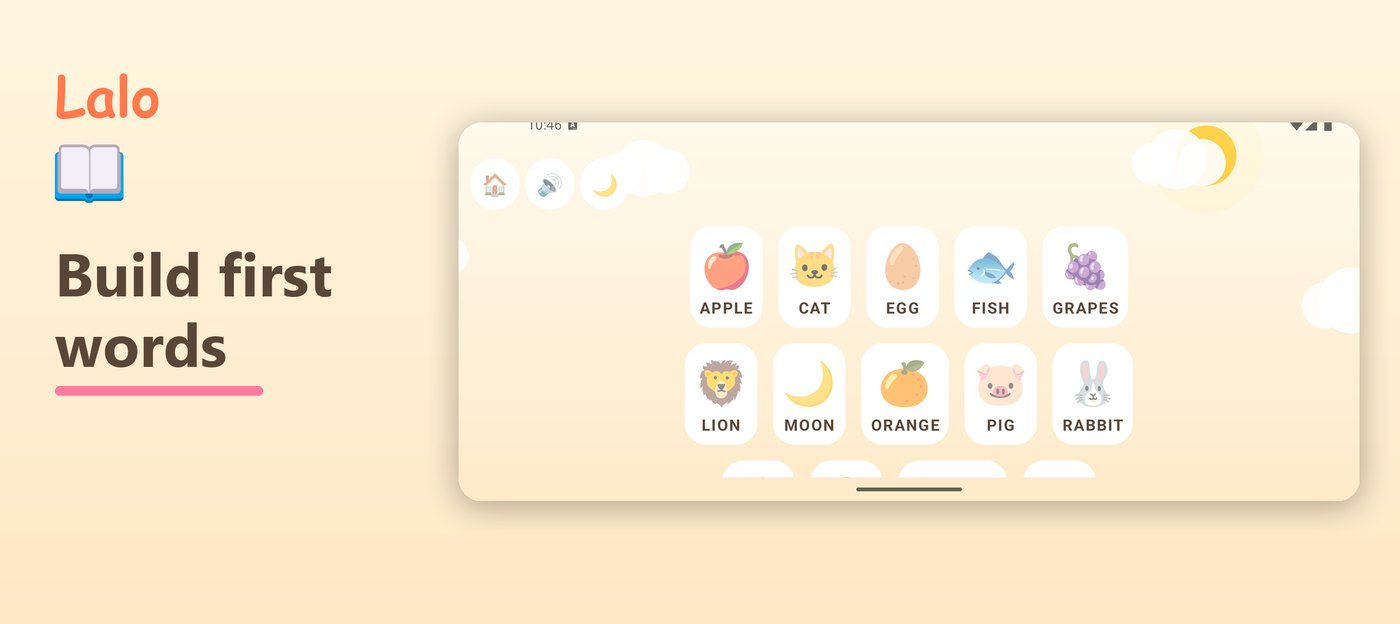
Lowercase letters come last because they are harder: they have curves and loops, and several are mirrors of each other — b and d swap places in every child's head, and it is not a matter of attention. Words builds whole terms letter by letter with the picture beside them, and Sums introduces addition once counting has become automatic. Of the sixteen activities four are free — Letters, Numbers, Colour and Play — and they cover exactly the age-three set.
The app in pictures
Ages are indicative, children do not read them
No child follows the calendar, and a four-year-old who wants to do sums should not be stopped to respect a table. What matters is the order, not the birthday: the hand before the letter, the quantity before the written number, capitals before lowercase. Lalo on Google Play and the App Store, in 17 languages and with no advertising of any kind.